
Welcome to Investment Fiji

Manufacturing

Fiji's Manufacturing Sector

Fiji’s manufacturing sector is the most industrialized and diverse in the South Pacific, serving as the central "Engine Room" for the region. Strategically positioned between major global markets like Australia, New Zealand, and North America, Fiji has evolved into a sophisticated hub for nearshoring and high-value export manufacturing.

With a focus on sustainability and modernization, the government provides a robust enabling environment designed to turn Fiji into a globally competitive manufacturing powerhouse.
Real Investment Opportunities for 2026

Cassava Starch Facilities

Establishing large-scale mills to process local cassava for industrial and food-grade use, replacing imported corn starch.

Stock Feed Mills

Leveraging local agricultural residues to create high-quality feed for the growing poultry and livestock sectors.

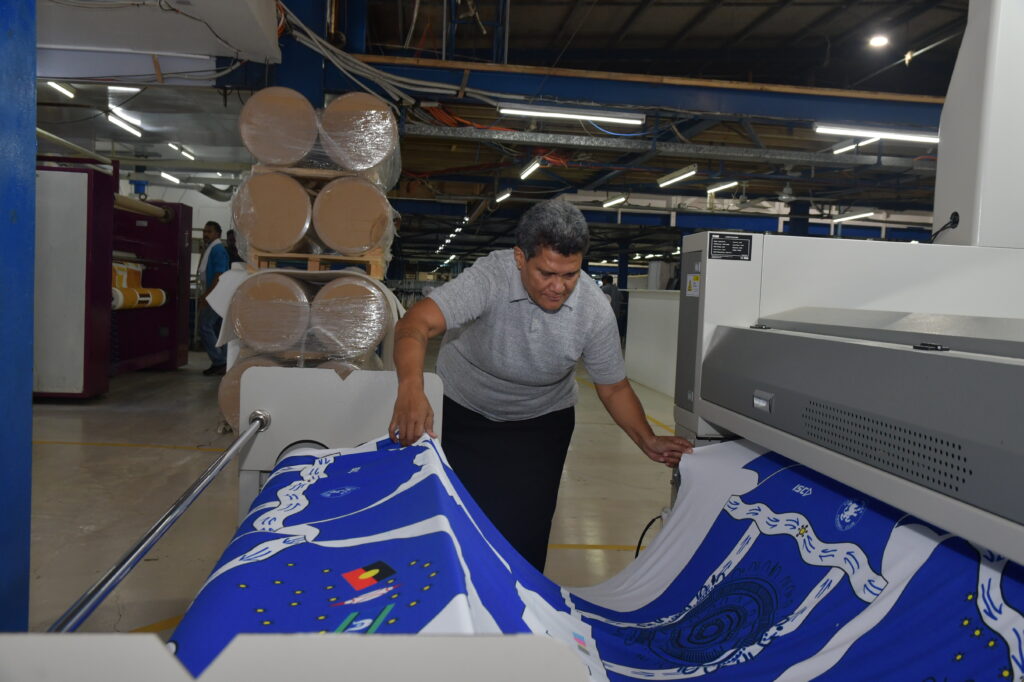
Digital Textile Printing

Modernizing the garment sector with on-demand, low-waste digital printing technology for bespoke global brands

Strategic Investment Verticals

  1. Nearshoring & Regional Hub Logistics
    Fiji’s geographical location makes it the ideal base for companies looking to move production closer to their end consumers in the Pacific Rim.
  • Proximity to Markets: Rapid access to Australia, New Zealand, and the US via established shipping lanes and air routes.
  • Infrastructure: Availability of industrial land and dedicated warehouse spaces in the Suva-Nausori and Nadi-Lautoka corridors.
  • Competitive Edge: High-quality output combined with competitive labor rates and state-of-the-art regional connectivity.
  1. Import Substitution & Food Security
    Fiji is actively seeking investors to manufacture products domestically that are currently imported, closing the trade gap and strengthening the local economy.
  • High-Potential Products: Opportunities for the local production of stock feed, dairy products, clothing, and footwear.
  • Agricultural Value-Addition: Converting raw crops like cassava into starch or flour, and processing tropical fruits into high-end juices, jams, and refined oils for niche global markets.
  1. Textiles, Garments & Specialized Apparel
    The TCF (Textiles, Clothing, and Footwear) sector is a traditional pillar of Fiji’s economy, now pivoting toward high-tech and specialized products.
  • Specialized Gear: Manufacturing high-performance items such as structural raincoats, life jackets, and rugby-specific technical wear.
  • Modernization: Opportunities in digital printery and sustainable, “slow-fashion” production lines that meet global ESG standards.
  1. Eco-Friendly & Organic Manufacturing
    Leveraging Fiji’s pristine reputation, there is a massive opportunity to capitalize on the global shift toward “green” consumerism.
  • Organic Cosmetics: Using indigenous ingredients like Dilo, Sandalwood, and Coconut for the premium wellness market.
  • Sustainable Packaging: Manufacturing biodegradable and organic alternatives to traditional plastic and synthetic products.

Major Industry Leaders

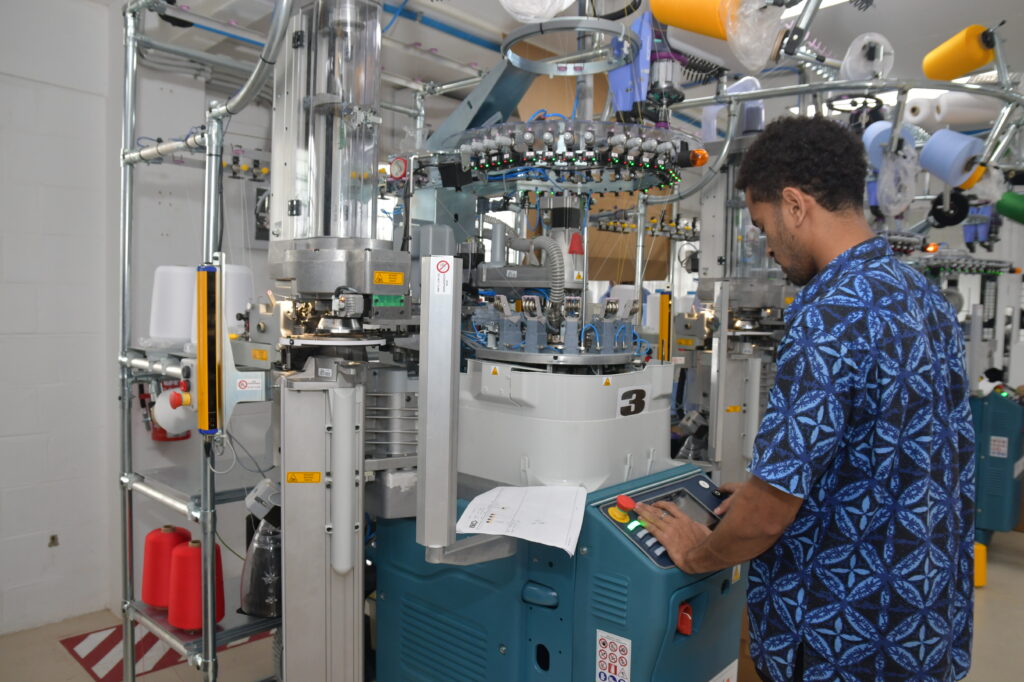
  • Danam (Fiji) Limited: A pioneer in the garment sector, producing high-specification workwear and technical apparel for international export.
  • Punjas & Sons / FMF Foods: Dominant regional players in food and beverage processing, utilizing advanced automation to supply the entire Pacific.
  • Coca-Cola Europacific Partners (Fiji): A prime example of a global brand utilizing Fiji as a regional manufacturing and distribution hub.
  • Pacific Green: A world leader in cocowood furniture, showcasing how Fiji adds value to agricultural byproducts through high-end design.

Why Fiji for Manufacturing?

Feature 

  • Market Access 
  • Fiscal Transparency 
  • Sustainability 
  • Supply Chain Integration

Advantages 

  • Duty-free or preferential access to regional markets under PACER Plus and the IEPA.
  • Transparent and stable fiscal policies with a sound regulatory environment.
  • A national commitment to building a green, globally competitive industrial sector.
  • Seamless integration with Fiji’s strong agricultural and tourism sectors